
Insights
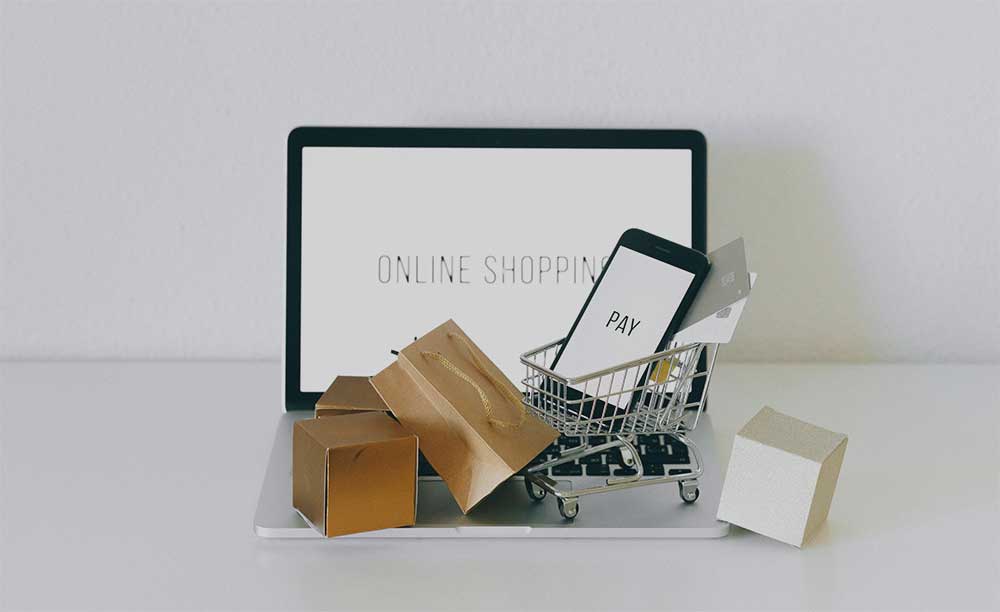
Ecommerce and Online Marketing setup for Startups
Launching an eCommerce website for a startup means that you are starting from scratch and most likely have no or a very little audience.
The foundation should be based on a strong branding and a user-friendly, SEO-optimised website.
Success also depends on a holistic multi channel approach. By integrating marketing automation, Meta and Google Ads, KPI tracking and customer-focused content into one unified strategy, startups can get huge benefits. These include streamlined operations, maximising your return on investment and delivering a consistent brand experience across every customer touchpoint.
When resources are limited, aligning all marketing efforts ensures that each initiative directly supports growth, efficiency and long-term success.
Below is a recommended approach you can follow:
Branding
Always keep in mind… you only get one chance to make a good first impression!
Having strong branding and a seamless user experience across your website is very important and often underestimated. Good branding also builds trust, communicates your values and helps customers quickly understand what makes your business unique.
See our video post: Good branding is more than just a logo.
Platform Choice / SaaS (Software as a Service) System
Using a SaaS platform such as Shopify for example, gives you a fast, user-friendly setup that’s perfect for startups. Shopify offers secure hosting, pre-made user friendly templates with built-in payment processing and app integrations.
Technical SEO
Even with a platform like Shopify, optimising the website for search engines is crucial for visibility and long-term growth.
This involves refining site architecture, improving page load speed, using clean HTML markup, following accessibility best practices, enhancing meta tags, fixing broken links, implementing structured data/schema markup, generating XML sitemaps and more.
For more information, download our document Flux-Creative-SEO-Strategy.pdf
Content Marketing
High-quality, user-focused content that answers queries, provides unique insights and incorporates media like videos, infographics or interactive elements builds a good base for modern SEO.
Blog articles can also be shared on Social Media and sent out as newsletters.
See our video post: What is content marketing and why is it important?
Marketing automation
Marketing automation is software that streamlines repetitive marketing tasks like emails and customer follow-ups.
It enables businesses to grow efficiently, engage their audience more effectively and convert leads into loyal customers without manually managing every interaction. A base setup should include, welcome flow, abandoned cart flow, browse abandonment flow and post purchase follow up.
Without a proper marketing automation setup, every dollar spent on directing users to your website has less effect.
Regular Email Newsletter
Email newsletters are a cost-effective way to engage customers, promote products and drive repeat sales. They help build loyalty, nurture leads and offer measurable insights to optimise marketing strategies.
Use your own customer list, start building one or purchase a list. It’s an essential tool in a modern marketing strategy.
See our insights post: How to setup an effective email marketing campaign
Social Media Organic Posts
Posting on a regular basis will create brand awareness, engage your audience and foster community without significant ad spend.
Valuable content also builds trust, promotes your products and helps drive traffic to your store. Genuine user engagement also helps to grow strong and lasting customer relationships.
See our insights posts:
How does the Facebook algorithm work for organic posts?
How does the Instagram algorithm work for organic posts?
How does the LinkedIn algorithm work for organic posts?
What is the best time to post on Facebook, Twitter, Instagram and LinkedIn?
Google and Meta Ads (PPC)
Google Ads, including Pmax Shopping and Search campaigns, are a great way for eCommerce startups to drive high-intent traffic directly to the website. The ads enable businesses to quickly generate sales, reach targeted audiences, and scale efficiently with measurable ROI (Return on Investment).
See our insights post: Google Ads (AdWords) explained
Meta Ads (Facebook, Instagram, Messenger, ...), both targeting and retargeting, are very effective because they allow businesses to reach highly specific audiences based on interests, behaviors, and demographics.
See our insights post: What are Facebook and Instagram Advantage+ ads?
An effective Ads setup is a combination of Google and Met ads to maximise ad efficiency, boost conversions and increase return on ad spend (ROAS) for startups with limited marketing budgets
Online reviews
Online reviews are essential for eCommerce startups because they build trust and credibility with new customers. When people see positive feedback from real buyers, they feel more confident purchasing from your store. Reviews also influence buying decisions, improve conversion rates and help your brand stand out from competitors.
In addition, customer reviews support SEO, increase visibility in search results and provide valuable insights to improve your products and service.
See our insights post: Importance of online customer reviews
KPI reporting and analysis
KPI analysis is essential for eCommerce startups as it provides clear, data-driven insights into business performance, helping founders understand what’s working and what isn’t.
By tracking metrics like conversion rate, average order value, customer acquisition cost, and lifetime value, startups can optimise marketing campaigns and channels, improve operations, and make informed growth decisions.
See our insights post: Why are Digital Marketing KPIs Important?
Conclusion
Following a holistic approach to marketing means making sure all digital channels are set up to perfection and work well together.
From branding, communication, website UX, technical SEO, email automation, social media, paid ads and tracking results, all efforts should follow one clear and defined strategy.
When all these pieces are aligned, you create a stronger foundation that helps your brand grow faster and smarter.
The results are generally better engagement, more sales and a brand that’s set up for long-term success.
See our insights post: Holistic Digital Marketing. A Strategy for Success!
Feel free to reach out to one of our experts to organise a meeting.